Host Institution


Institutional Partners


Organized by: VNU University of Economics and Business, Vietnam National University, Hanoi
Climate change is now one of the defining challenges shaping development trajectories worldwide. Its effects are especially acute in emerging economies, where rapid economic growth often coincides with rising environmental pressures, climate vulnerability and institutional strain. Vietnam offers a particularly important case in this regard. On the one hand, it has sustained strong economic growth over recent decades and has emerged as one of Asia’s dynamic developing economies. On the other hand, it is among the countries most exposed to sea-level rise, extreme weather events, ecosystem degradation and climate-related social and economic risks. These dynamics raise a central scholarly and policy question: how can Vietnam transform its development model to achieve climate-resilient, sustainable and inclusive growth?
The EDAST 2026 International Conference (Economic Development and Sustainability Transformation) is organized by the VNU University of Economics and Business, Vietnam National University, Hanoi, in cooperation with Flinders University (Australia), University of British Columbia (Canada), Pusan National University (Korea), British University Vietnam (Vietnam), VinUni (Vietnam) and NGOs such as CIAT and CIFOR-ICRAF.
The conference focuses on economic development in emerging economies in the context of climate change. It approaches climate change as a structural challenge to the development model itself, requiring transformations in institutions, production systems, policy frameworks, governance arrangements and social organization. The conference also brings together empirical studies, conceptual contributions and policy-oriented analyses from economics, environmental studies, development studies, public policy, geography and sustainability science.
A further strength of the conference stems from its strong policy relevance. Vietnam is currently at a critical juncture in aligning economic modernization with green growth, climate adaptation and long-term resilience. The conference's contributions are expected to enrich academic discourse and inform policymakers, international organizations, development partners and practitioners engaged in sustainability transitions in emerging economies.
The EDAST 2026 conference focuses on the following topics:
This topic addresses the macro- and meso-level relationships between climate change and economic restructuring. It examines how climate risks and environmental constraints shape development strategies, industrial transformation, growth models and long-term economic planning in Vietnam and comparable emerging economies.
Potential topics include: sustainable industrial development under climate constraints; economic restructuring and net-zero commitments in Vietnam; climate risk, public investment and development planning; energy transition and the political economy of green transformation; and policy instruments for low-carbon growth in Southeast Asia.
This topic focuses on the social and developmental dimensions of sustainability transitions. It examines how climate change interacts with livelihoods, local development, social resilience, inequality, labor transitions and community-level adaptation. Particular attention is given to how societies and institutions respond to environmental stress while pursuing inclusive development.
Moving beyond macro-level policy discussions, this topic considers the human and territorial dimensions of transformation, including sustainable livelihoods, local adaptation, social vulnerability, resilience-building and sustainable finance. In doing so, it links national development strategies with local realities and community responses.
Potential topics include: livelihood adaptation under climate stress in rural Vietnam; social vulnerability and resilience in climate-affected regions; sustainable urban development and climate resilience; labor market adjustment in green transformation; and community-based adaptation and inclusive development.
This topic examines the ecological and resource dimensions of climate-related transformations. It includes contributions on natural resource management, ecosystem services, environmental governance, biodiversity, land and water systems and adaptation strategies in the context of global environmental change.
It also bridges ecological processes and development policy by highlighting how environmental degradation, resource scarcity and ecosystem vulnerability influence long-term sustainability. Furthermore, it positions Vietnam within broader regional and global debates on environmental change in Asian emerging economies.
Potential topics include: ecosystem services and development planning in climate-vulnerable regions; forest governance, biodiversity and climate adaptation; water security and environmental change in emerging economies; land-use transformation and sustainability challenges; and regional dimensions of climate vulnerability in Asia.
The EDAST 2026 conference invites research papers, presentations and discussions centered around four key tracks, focusing on specific sectoral transformation pathways:
* Tentative Schedule
| Time | Activities |
|---|---|
| 08:00 – 08:30 | Registration |
| 08:30 – 08:40 | Welcome Speech |
| 08:40 – 08:50 | Opening Remarks |
| 08:50 – 09:00 | Remarks by International Partners |
| Part 1: Plenary Session: Contemporary perspectives in development economics | |
| 09:00 – 09:25 | Keynote presentation |
| 09:25 – 09:50 | Keynote presentation |
| 09:50 – 10:10 | Keynote presentation |
| 10:10 – 10:15 | Q&A |
| 10:15 – 10:30 | Coffee Break |
| Part 2: Parallel Sessions | |
| 10:30 – 12:00 |
Parallel Paper Presentations (4 Sessions)
|
| 12:00 – 13:30 | Lunch Break |
| Part 3: Plenary Session: Bridge research, policy and practice | |
| 13:30 – 13:50 | Policy Perspective on Sustainable Transformation |
| 13:50 – 14:10 | International Development Perspectives |
| 14:10 – 14:45 | Panel Discussion: Bridging Research, Policy and Practice |
| 14:45 – 15:10 | Conference Summary & Key Messages |
| 15:10 – 15:25 | Closing Remarks |
| 15:25 – 15:30 | Announcement of Publications |
| 15:30 – 16:30 | World café / Networking Reception Informal networking and thematic discussion among participants |
The EDAST 2026 Organizing Committee invites researchers, scholars, policymakers and industry professionals to submit their original research papers. All submitted papers will undergo a rigorous double-blind peer-review process.


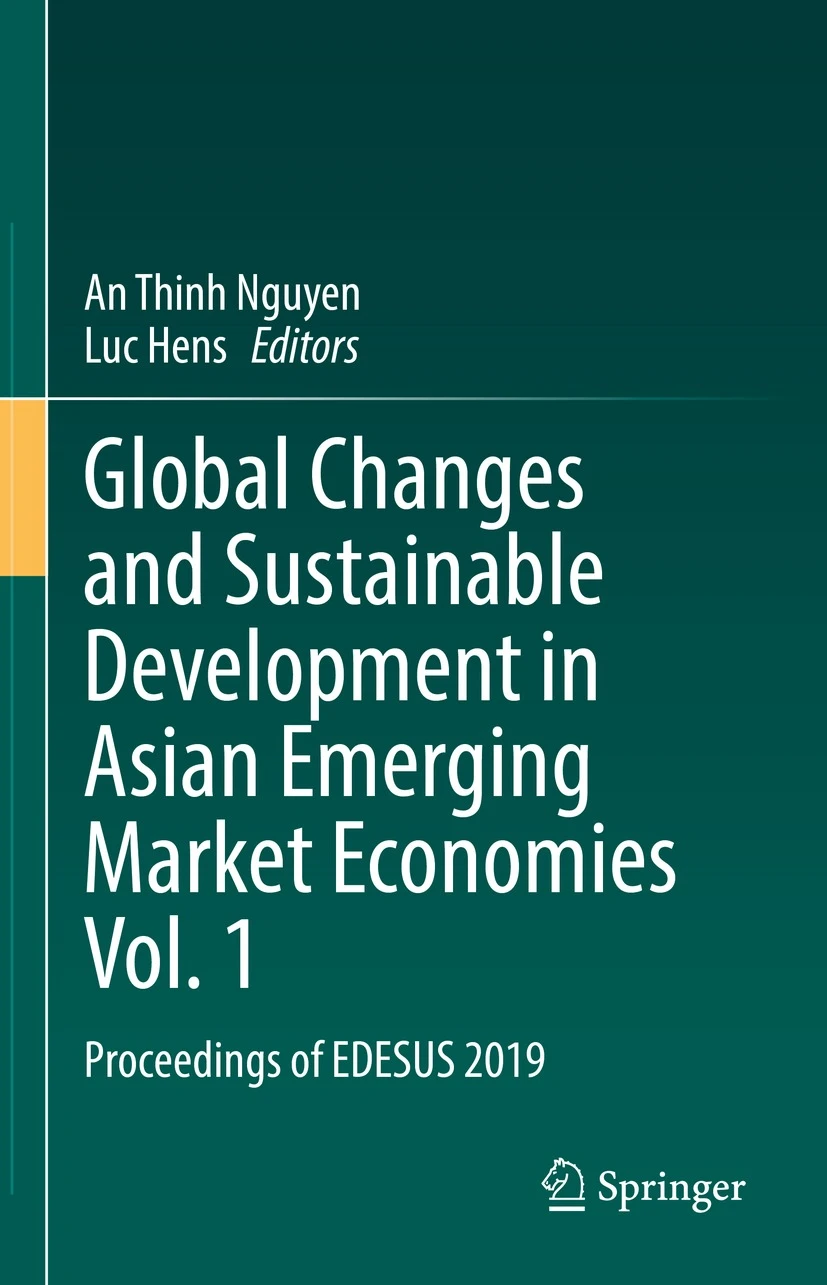
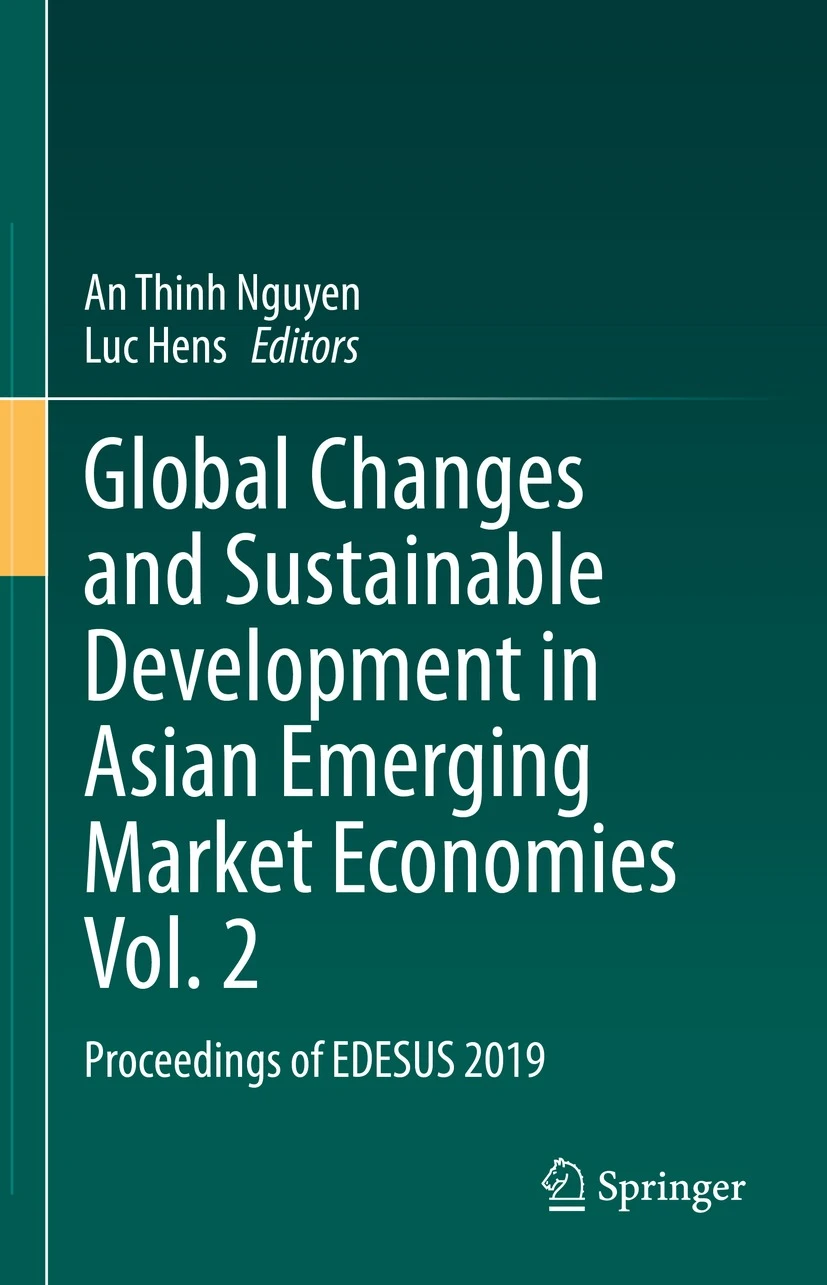
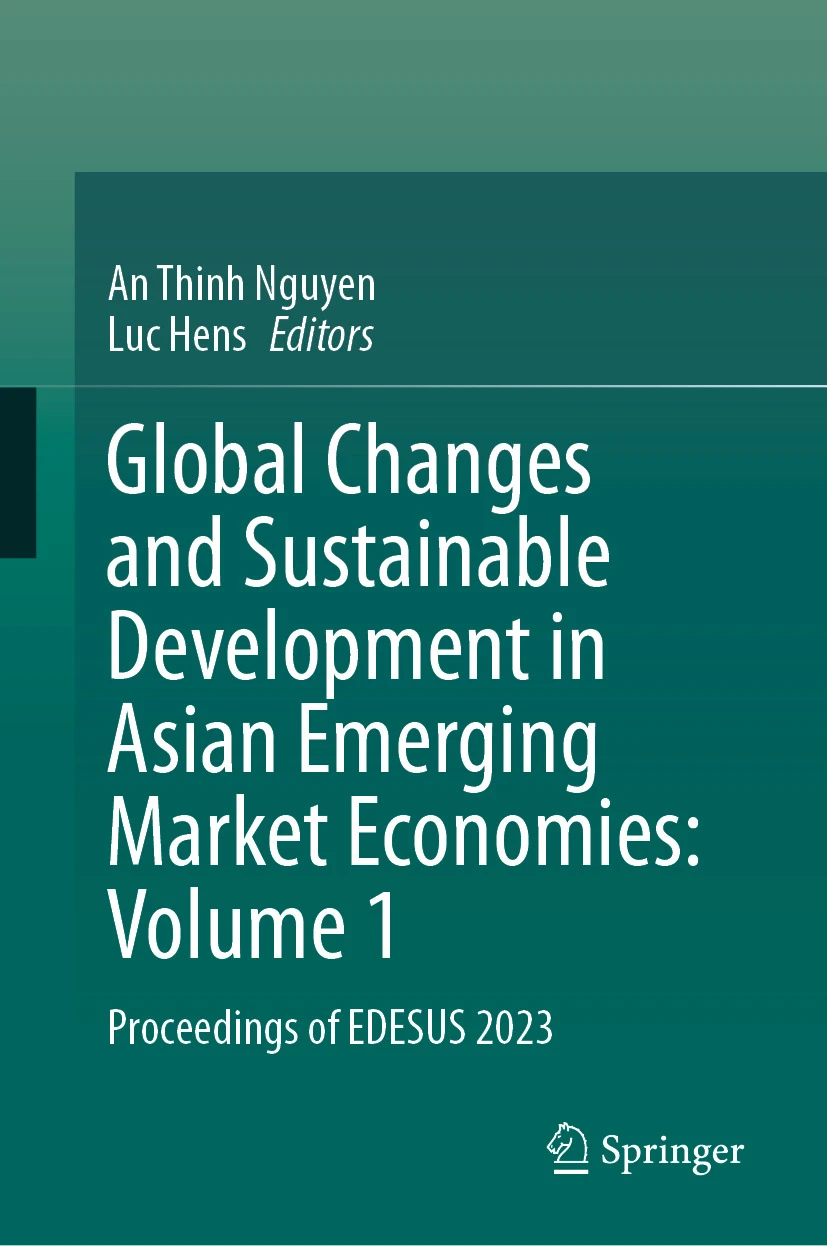
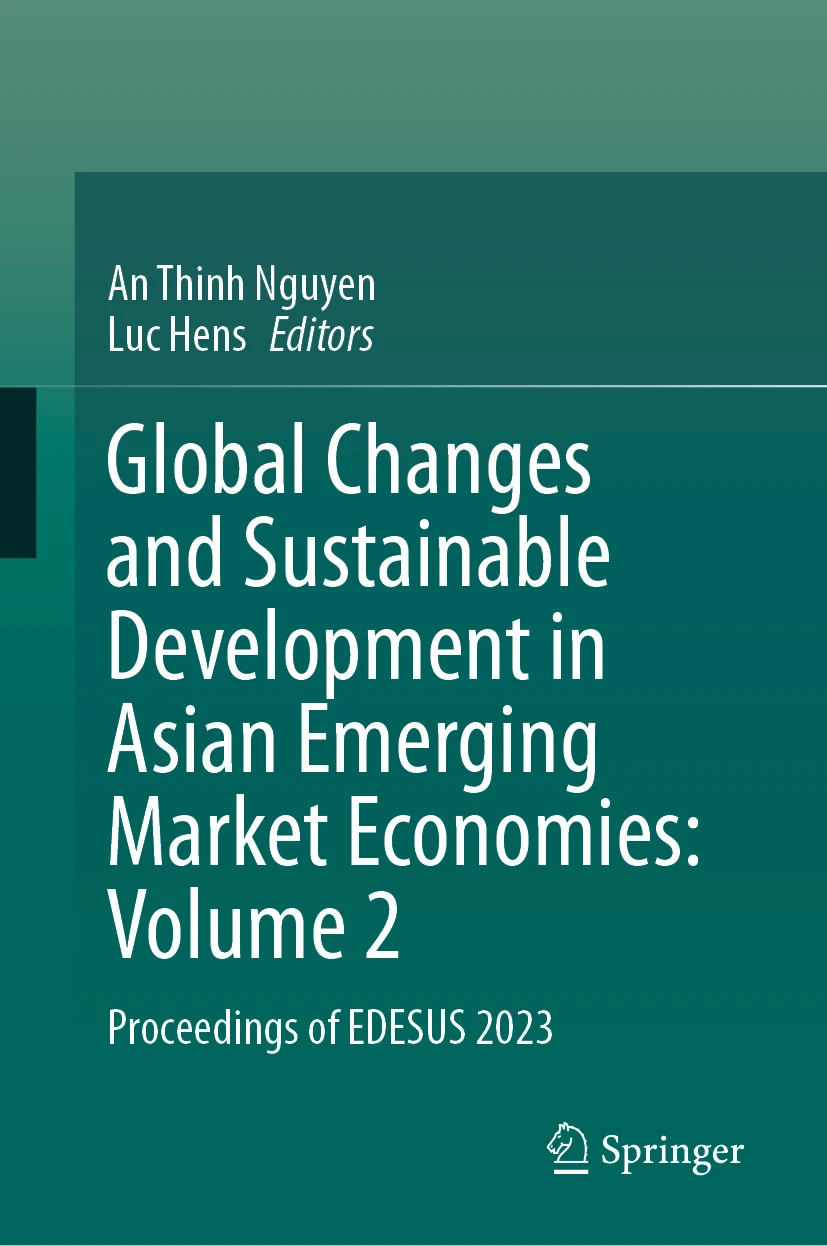
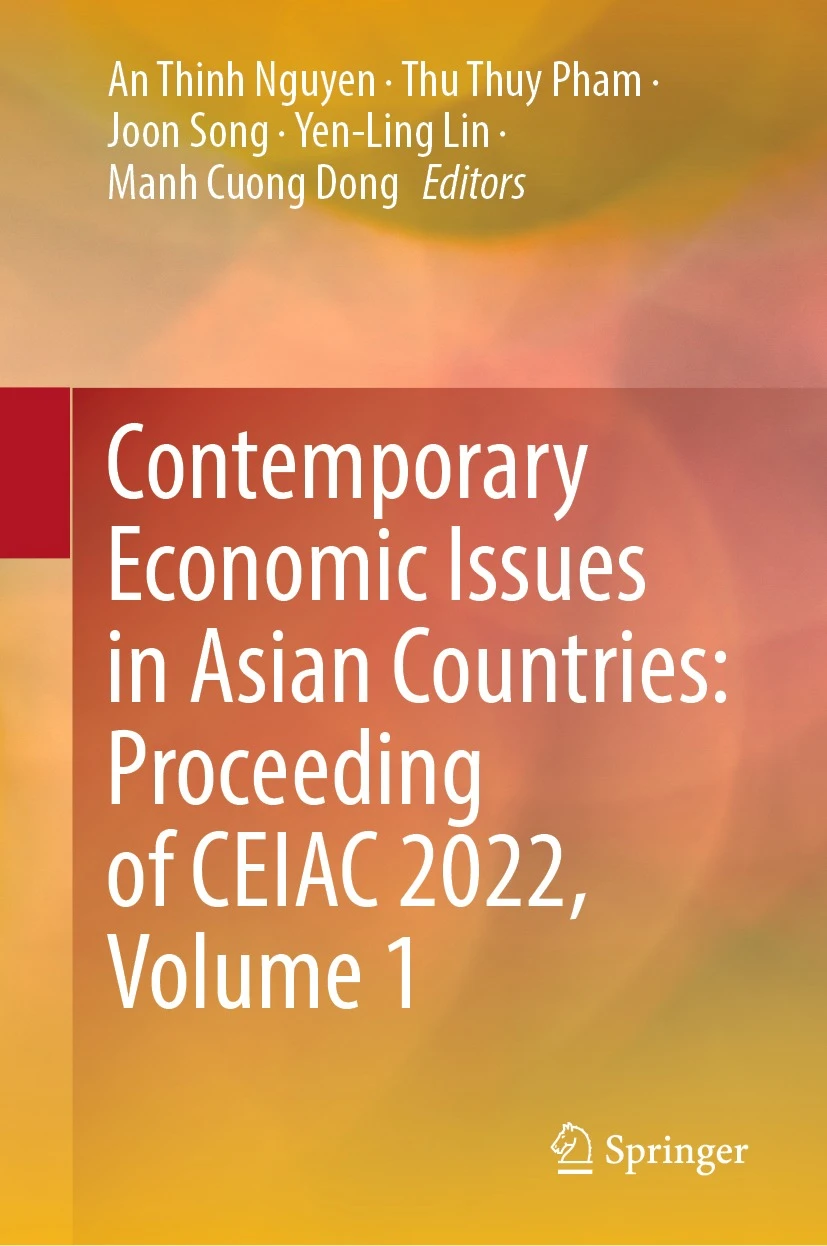
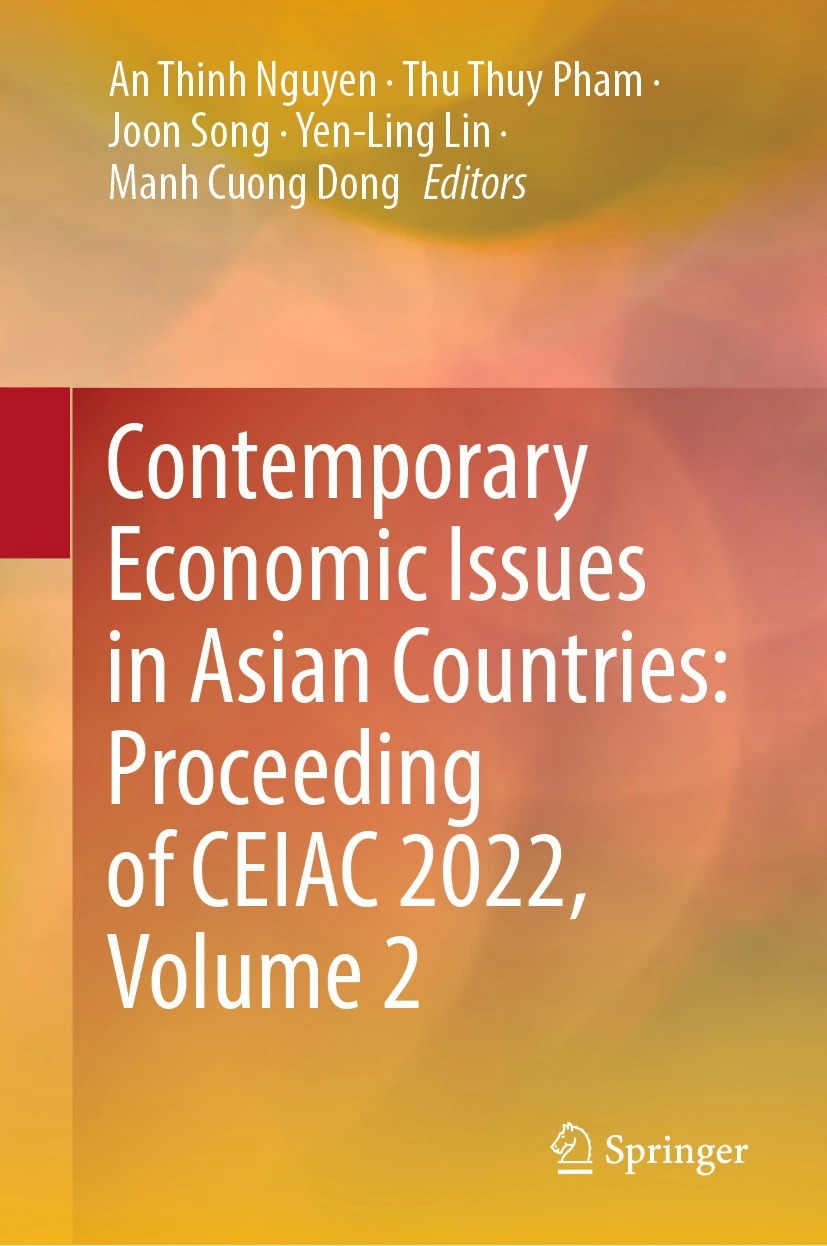
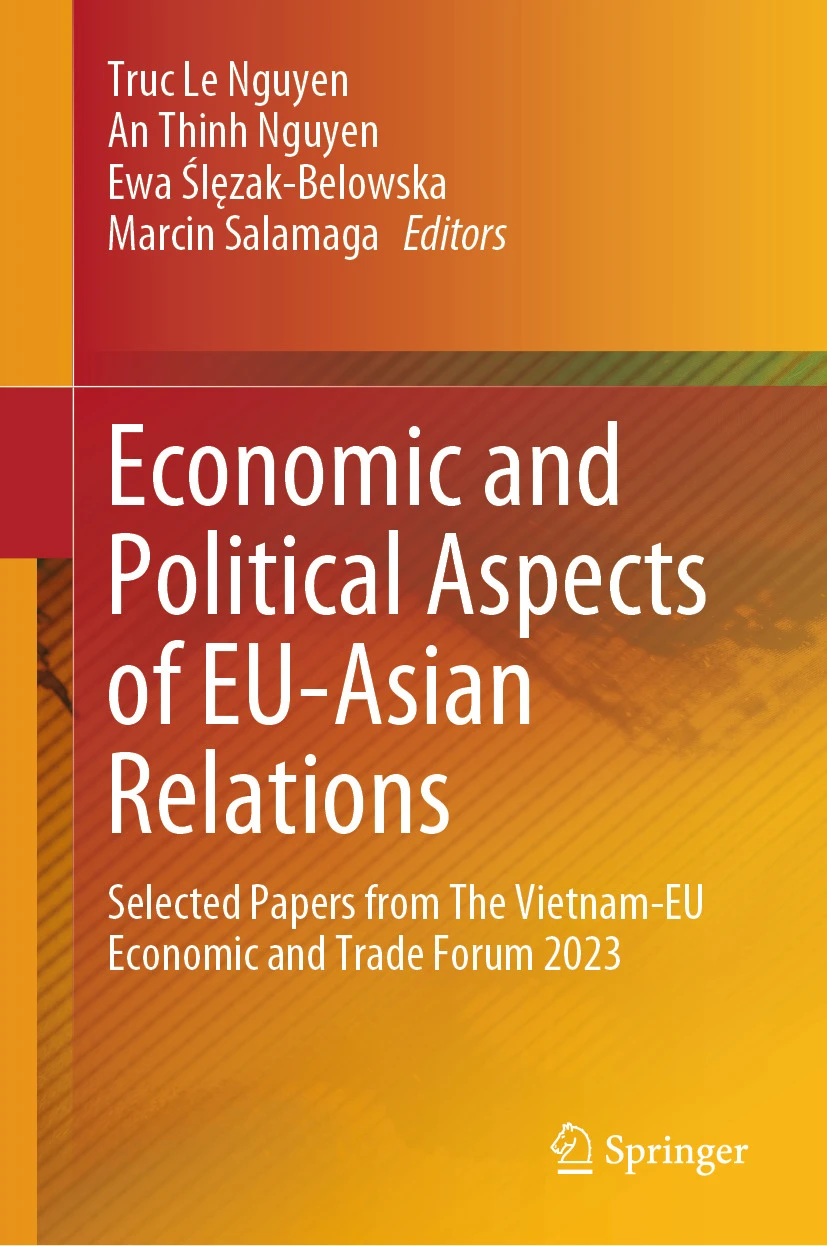
The selected papers are published in the Springer conference book titled:


Please complete your registration and payment by the deadlines below to secure your spot at EDAST 2026. Early bird rates apply until July 15, 2026.
| Participant Category | Early Bird (Before July 15, 2026) |
Regular (After July 15, 2026) |
|---|---|---|
| Presenter (Author) | To be announced | To be announced |
| Student / Poster Presenter | To be announced | To be announced |
| Listener / Participant | To be announced | To be announced |
The VNU University of Economics and Business is located in the city center of Hanoi, Vietnam. Workshops and other pre-conference events will be held on the UEB campus. The main events of the EDAST 2026 Conference will take place at the Fortuna Hotel Hanoi, an international-standard venue located in Giang Vo Ward, Hanoi. The hotel features state-of-the-art technology and modern ballrooms, providing a professional setting for high-level global dialogue. Situated just 15 minutes from the city center, the venue offers convenient access and world-class facilities, reflecting the conference’s commitment to quality and sustainable development.


If you have any questions relating to EDAST 2026, please contact our Conference Managers:
Phone: (+84) 943 393 753
Email: duyminh@vnu.edu.vn